
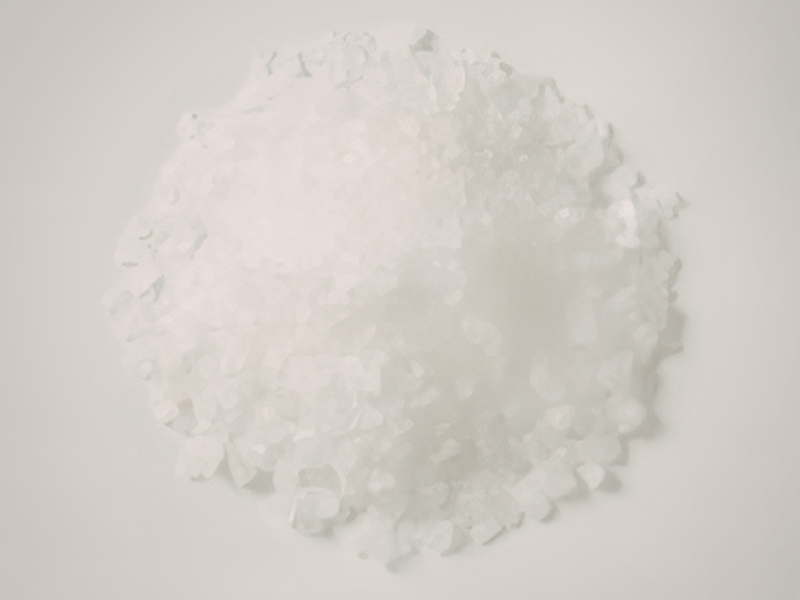
Chemical companies rely on zinc dust to support complex and stable reaction processes. As industries evolve, zinc dust adapts to new challenges. From traditional paint formulations to cutting-edge batteries, this powder continues proving its worth.
What Is Zinc Dust?
Zinc dust is a bluish-gray powder made from pure zinc metal. Factories create it by heating zinc until it turns into vapor, then cooling it quickly without air.
This process produces tiny particles that are extremely fine and reactive. The result is a versatile material that industries worldwide treasure for its unique properties.
The powder differs slightly from zinc powder, which is made through atomization. Dust particles are generally finer and more reactive due to their larger surface area. This distinction makes zinc dust particularly valuable for specialized industrial applications.
Protecting Metal from Rust
The biggest job of zinc dust involves fighting corrosion. When steel meets moisture, rust forms and weakens the metal.
Zinc dust prevents this damage through a process called galvanic protection. The zinc sacrifices itself to save the steel underneath.
Paint manufacturers mix zinc dust into special coatings called zinc-rich primers. These paints contain high levels of zinc particles that create an electrically conductive layer.
This shield blocks water and oxygen from reaching the metal surface. Bridges, ships, and car bodies all benefit from this protection.
Powering Chemical Reactions
Beyond coatings, zinc dust serves as a powerful chemical tool. It acts as a reducing agent in many industrial processes. This means it helps change one chemical into another by donating electrons.
Textile factories use activated zinc dust to produce bleaches for fabrics. Pharmaceutical companies rely on it to create certain medicines. The material also helps manufacture other zinc compounds like zinc oxide and zinc sulfate.
Battery makers incorporate zinc dust into alkaline batteries. The fine powder helps store and release energy efficiently. This application becomes increasingly important as renewable energy storage demands grow.
Mechanical Galvanizing
Some metal parts can’t handle high heat from traditional galvanizing methods. So, manufacturers use mechanical galvanizing with zinc dust instead.
Workers place metal pieces in rotating drums with beads and zinc powder. The movement helps the zinc stick evenly onto the metal surface.
Safety Considerations
Handling zinc dust requires careful attention; the fine particles can ignite if exposed to open flames or static electricity. Workers must ground all equipment and wear protective gear.
Storage areas require cool conditions and must stay away from acids. Burning zinc should never touch water because it forms hydrogen gas. That is why Special Class D fire extinguishers are essential for facilities storing this material.
The Future of Zinc Dust in Manufacturing
Experts expect strong growth for zinc dust use in 2032, the global market reached USD 1.318 billion in 2024, and continues expanding. Asia Pacific regions lead demand due to large infrastructure development projects. China alone accounts for approximately 25% of worldwide usage.
Modern industries need materials that perform well in many conditions. Zinc dust meets this demand through reliable use across different sectors. Its ability to prevent corrosion helps save large maintenance costs each year.

